
Nashua, NH · Garage Door Service
Garage Door Repair for Hollis Homes
Garage door repair for Hollis, NH homes built mostly in the late 1970s. We work from Nashua, five miles away, on the original hardware these doors still carry.
- Repairs & new doors
- Springs & openers
- Serving 5 nearby communities
What the Fix Involves
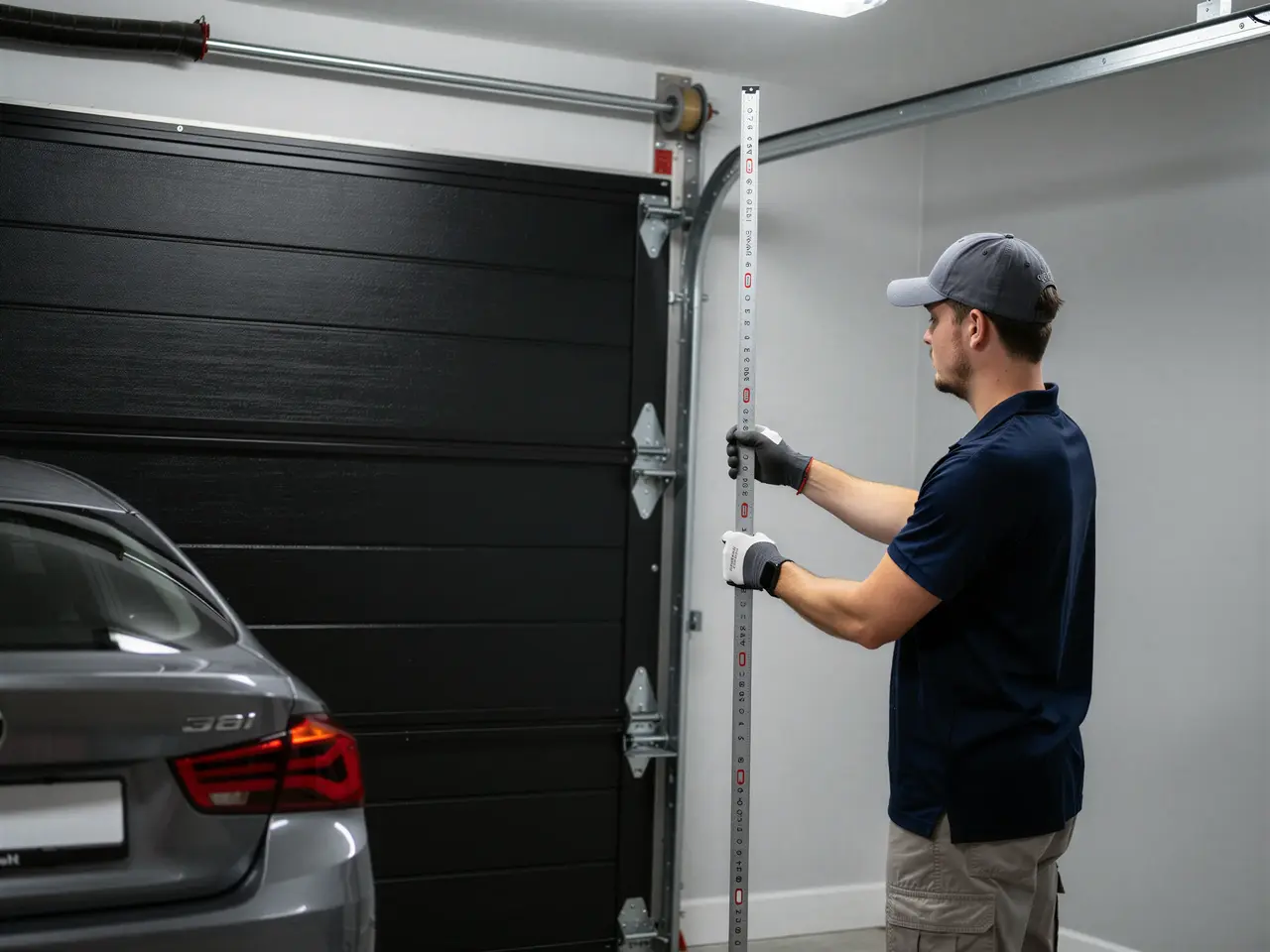
Hollis homes have a median build year of 1979, a touch earlier than the wider service area's 1981 median. That extra few years matters more than it sounds like. A door installed in 1979 has usually gone through one opener swap by now, but the spring, the track, and the drum are often still what the builder put in. When we get a call here, the first thing we check isn't the opener - it's whether the torsion spring is the original size for the door weight, because specs from that era don't always match what's sold today. Fixing the symptom (a door that won't open) without checking the spring cycle count just sets up the next failure. On a house this age, the repair usually means replacing a spring that's outlived its rated cycles, freeing a track that's racked from decades of settling, or swapping rollers that were steel and are now grinding in cold-stiffened grease. We diagnose on-site before quoting anything, because two houses built the same year can have completely different wear depending on how the door's been used.
The DIY Question
A torsion spring under tension can put you in the hospital, full stop - that's true whether the door's five years old or fifty, and it's the one thing we won't talk you through over the phone. What you can check yourself on a late-1970s door: the weatherseal at the bottom (cracked and brittle is common at this age), the lift cables for fraying near the drum, and whether the door is noticeably heavier to lift by hand with the opener disconnected than it used to be. That last one is often the first sign a spring is going. If the door is still on its original hardware and you're not sure what you're looking at, that's a reasonable call to make rather than a DIY project - the parts are old enough that improvising a fix usually costs more in the second repair than the first one would have.
What Can Go Wrong
The specific failure pattern in Hollis tracks the housing stock. Doors from the 1979 build wave were sized to lighter, often single-layer panels - homeowners who've since swapped to an insulated steel door without upgrading the spring are running hardware rated for a lighter load than what's actually hanging on it. That mismatch shows up as a spring that fails years ahead of its rated cycle count. Cold is the other factor: this area sits in a severe cold climate band, and steel contracts, grease stiffens, and nylon rollers that were fine in July can crack in January. On original track from this era, the gauge is often lighter than what's installed now, so a slightly misaligned door is more likely to bind or jump the track entirely rather than just scrape. We also see openers from a later retrofit bolted to original header brackets that were never meant to take that load - a weak point that doesn't show until the bracket finally gives.
Stocked Parts
We carry common spring sizes, standard track sections, and rollers on the truck out of Nashua, five miles away, which covers most calls without a second trip. What we don't keep stocked is anything specific to a discontinued panel design or an opener model that hasn't been sold in years - on a house this age, if the original door itself has failed structurally rather than just the hardware, a replacement panel can mean an order and a wait. We'll tell you straight if that's the situation rather than promising a same-visit fix we can't deliver.
How Long It Takes
Spring, cable, and roller repairs on hardware from this era are usually a single visit - the diagnosis and the fix happen back to back once we're on-site. What extends the timeline is anything requiring a part we don't carry, which is more common on original 1970s-era panels than on hardware installed in the last fifteen years. We won't guess at a timeline before we've seen the door; a bent track takes longer to straighten or replace than a spring swap, and we'd rather tell you the real number once we're looking at it than give you a figure that doesn't hold up.
Frequently asked questions
Is my garage door's hardware probably original if my house was built in the late 1970s?
Likely, at least in part. Hollis's median build year is 1979, and spring and track hardware from that era often outlasts one or two opener replacements. If no one's mentioned replacing the spring, it's worth having it checked - original springs from a house this age are well past typical cycle life.
Do you have a shop in Hollis?
No. We work out of Nashua, about five miles away, and Hollis is a regular stop on our route. There's no local branch, but the distance doesn't add meaningfully to how we schedule the job.
Why did my spring break in winter and not before?
Cold makes steel more brittle and grease stiffer, both of which add strain to a spring that's already near the end of its rated cycles. In a severe cold climate like this one, winter is when marginal hardware usually fails, not because of a single event but because the margin was already thin.
Can you match the original track gauge on an older door?
We stock standard track sections that work with most hardware, including lighter-gauge setups common on doors from the late 1970s and 1980s. If your track is a nonstandard or discontinued design, we'll tell you on-site rather than guess.
Book garage door service in Nashua
Call now or request a quote - tell us what the door is doing and where you are.